Why Women Over 30 Struggle with Weight Gain and How to Address It
Understanding the Weight Gain Challenge After 30
For many women, reaching the age of 30 marks a turning point in their relationship with their bodies. What once seemed effortless—maintaining a healthy weight, fitting into favorite jeans, enjoying meals without consequence—suddenly becomes a daily challenge. If you've noticed the scale creeping upward despite your best efforts, you're not alone. Research indicates that women can expect to gain between 10 to 25 pounds between their 20s and 40s, with an average weight gain of approximately 1.5 pounds per year during midlife.
This phenomenon isn't just about vanity or fitting into clothes. Weight gain after 30, particularly around the midsection, carries significant health implications. Understanding why this happens and what can be done about it is crucial for maintaining both physical health and emotional well-being.

The Science Behind Weight Gain After 30
Metabolic Changes and Muscle Loss
One of the primary culprits behind weight gain after 30 is the gradual decline in basal metabolic rate. Your metabolism drops roughly one to two percent per decade, meaning your body requires fewer calories to maintain the same weight. However, this metabolic slowdown doesn't occur in isolation—it's deeply connected to another age-related change: muscle loss.
Starting at age 30, women begin losing approximately half a pound of muscle mass each year. This condition, known as sarcopenia, becomes more pronounced if muscle isn't actively maintained through exercise. Since muscle tissue burns more calories at rest than fat tissue, this loss directly impacts your metabolic rate. Research shows that humans tend to lose 3 to 8 percent of muscle mass every decade after age 30, creating a compounding effect on weight management.
Hormonal Fluctuations
Hormones play a starring role in the weight gain story. Even before menopause begins, women in their 30s experience subtle hormonal shifts that affect body composition. Estrogen, which helps regulate hunger, body weight, glucose metabolism, and insulin sensitivity, begins its gradual decline. Lower estrogen levels tend to cause an increase in abdominal fat accumulation.
The hormone landscape becomes even more complex during the perimenopausal years (typically the 40s). During this time, the body experiences fluctuations in estrogen and progesterone levels, which can trigger mood changes, sleep disturbances, and increased fat storage. Studies show that women gain an average of 5 pounds during the menopausal transition, with fat distribution shifting markedly toward the abdomen.
Beyond reproductive hormones, other hormonal changes contribute to weight challenges. Human growth hormone, necessary for maintaining skeletal muscle and bone mass, declines during middle age. This decline contributes to increased fat mass and decreased resting metabolic rate. Additionally, stress-related cortisol elevation becomes more common as women juggle career, family, and personal responsibilities, and elevated cortisol is associated with increased abdominal fat storage.

Lifestyle and Environmental Factors
The 30s typically bring a perfect storm of lifestyle changes that contribute to weight gain. Career advancement often means more sedentary desk jobs with longer hours. Family responsibilities—whether caring for young children or aging parents—reduce available time for exercise and meal preparation. The spontaneous gym sessions and leisurely cooking experiments of your 20s give way to rushed meals and exhausted evenings.
Physical activity levels naturally decline starting in the early 30s. This decrease isn't just about having less free time; markers of physical fitness including VO2 max, muscle endurance, flexibility, and muscle strength all tend to decline after the 20s, making exercise feel more challenging than it once did.
Sleep quality often suffers during this period as well. Between 35 and 60 percent of women in midlife wrestle with sleep problems, whether from stress, hormonal changes, or life circumstances. Poor sleep disrupts hunger hormones, making you crave more carbohydrates and sugar, while simultaneously slowing metabolism and weakening immune function.
The Health Implications of Weight Gain After 30
Weight gain in midlife extends beyond aesthetic concerns. Excess weight, particularly visceral fat around the abdomen, significantly increases the risk of several serious health conditions:
- Cardiovascular disease: Central obesity raises the risk of heart disease, the leading cause of death in postmenopausal women
- Type 2 diabetes: Increased fat mass, especially visceral fat, contributes to insulin resistance
- Hypertension and dyslipidemia: Abdominal weight gain affects blood pressure and cholesterol levels
- Certain cancers: Higher body fat is associated with increased risk of endometrial and postmenopausal breast cancer
- Musculoskeletal disorders: Extra weight stresses joints and bones
- Mood disorders: Weight gain can impact mental health and self-esteem
- Sexual dysfunction: Hormonal changes combined with weight gain can affect sexual health
The shift from subcutaneous fat (under the skin) to visceral fat (around internal organs) that occurs with age carries particular health risks. Postmenopausal women may see visceral fat increase to 15 to 20 percent of total body fat, compared with just 5 to 8 percent in the premenopausal state.

Evidence-Based Solutions for Weight Management After 30
1. Prioritize Strength Training
Resistance training becomes increasingly crucial after 30. Building and maintaining muscle mass is perhaps the single most effective strategy for combating metabolic slowdown. Strength training not only burns calories during the workout but also increases your resting metabolic rate by maintaining muscle tissue.
Research demonstrates that women who engage in regular strength training maintain better body composition during weight loss interventions. Aim for at least two to three strength training sessions per week, focusing on major muscle groups. This doesn't require a gym membership—bodyweight exercises, resistance bands, or home weights can all be effective.
2. Incorporate Cardiovascular Exercise
While strength training builds muscle, cardiovascular exercise burns calories and improves overall health markers. The combination is powerful. Experts recommend finding cardio activities you genuinely enjoy, whether that's swimming, dancing, cycling, or brisk walking, as enjoyment increases adherence.
High-intensity interval training (HIIT) has shown particular promise for time-efficiency. Research indicates that HIIT may bring similar benefits to longer moderate-intensity exercise sessions, making it ideal for busy schedules. However, any form of regular movement counts—even breaking exercise into shorter 10 to 15-minute sessions throughout the day can be effective.
3. Adjust Your Nutrition Strategy
As metabolism slows, dietary adjustments become necessary. However, this doesn't mean restrictive dieting or severe calorie cutting, which can actually backfire by further slowing metabolism and causing muscle loss.
Key nutritional strategies include:
-
Increase protein intake: Aim for at least 30 percent of total daily calories from protein, or approximately 1.2 grams per kilogram of body weight. Protein supports muscle maintenance during weight loss and promotes satiety.
-
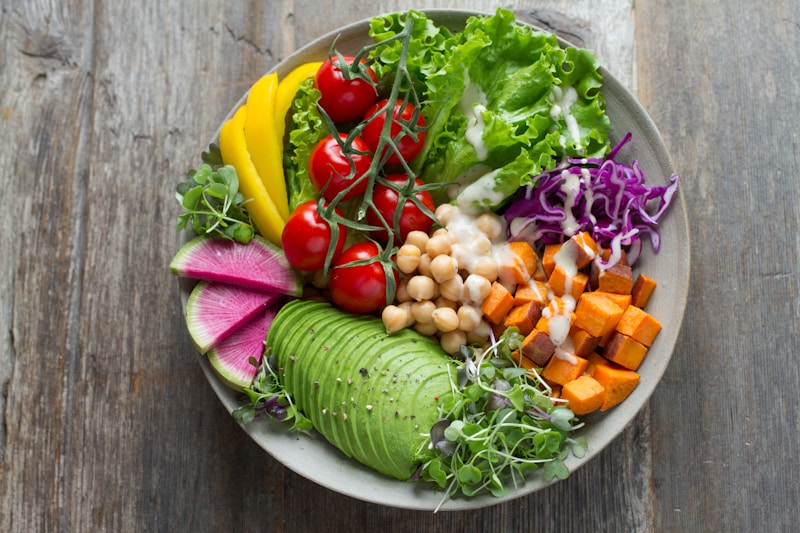
Focus on nutrient density: Choose whole, unprocessed foods including vegetables, fruits, whole grains, lean proteins, and healthy fats. These provide more satiety with fewer calories.
-
Practice portion awareness: With lower caloric needs, portion sizes matter more than ever. Using smaller plates and measuring portions can help recalibrate serving sizes.
-
Embrace healthy fats: Don't eliminate fats—instead, focus on plant-based fats from sources like olive oil, avocados, nuts, and seeds. Research shows that Mediterranean-style eating patterns, which include generous amounts of healthy fats, support weight loss better than traditional low-fat diets.
-
Stay hydrated: Adequate water intake supports optimal metabolic function.
-
Cook at home: Studies link home-cooked meals to weight loss and improved diet quality. Home cooking allows control over ingredients and portions.

4. Prioritize Sleep Quality
Sleep is non-negotiable for weight management. Aim for seven to eight hours of quality sleep nightly. Consistently getting less than six hours of sleep has been shown to decrease immune function, slow metabolism, and increase appetite—all working against weight management goals.
Create a sleep-conducive environment by maintaining a consistent sleep schedule, limiting screen time before bed, and addressing any sleep disturbances with your healthcare provider.
5. Manage Stress Effectively
Chronic stress elevates cortisol levels, which promotes abdominal fat storage and increases cravings for high-calorie comfort foods. Finding healthy stress management techniques is crucial:
- Practice mindfulness or meditation: Even five minutes daily can reduce stress
- Engage in relaxing activities: Reading, gentle yoga, nature walks, or hobbies
- Seek support: Talk with friends, family, or a counselor about stressors
- Set boundaries: Learn to say no to non-essential commitments
6. Track Progress Mindfully
Monitoring food intake and physical activity can increase awareness and accountability. Whether using a notebook or a mobile app, tracking helps identify patterns and areas for improvement. However, avoid becoming overly restrictive or obsessive—the goal is awareness, not punishment.
Consider working with a registered dietitian or nutritionist who can provide personalized guidance based on your specific needs, preferences, and health status.
7. Consider Professional Support
If you're consistently struggling despite lifestyle changes, consult with healthcare providers who can evaluate potential underlying issues:
- Thyroid function: Hypothyroidism can contribute to weight gain
- Hormone levels: Hormonal imbalances may require medical intervention
- Metabolic health: Conditions like insulin resistance or PCOS affect weight
- Medications: Some medications promote weight gain
Professional support might also include working with a therapist to address emotional eating patterns or body image concerns, as psychological well-being significantly impacts weight management success.
The Importance of Sustainable Approaches
Perhaps the most crucial aspect of weight management after 30 is adopting sustainable, health-focused approaches rather than quick fixes. Crash diets and extreme calorie restriction may produce rapid initial weight loss, but they typically result in muscle loss, metabolic slowdown, and eventual weight regain—often with additional pounds.
Research consistently shows that successful long-term weight management requires sustainable lifestyle changes that you can maintain indefinitely. This means finding an eating pattern you enjoy, physical activities that bring pleasure rather than dread, and overall habits that enhance rather than diminish your quality of life.
Remember that the goal isn't necessarily achieving or maintaining your college weight or fitting into a specific clothing size. Instead, aim for a weight where you feel strong, energized, and healthy—a weight you can maintain with reasonable, sustainable healthy habits.
Embracing Body Positivity While Pursuing Health
It's important to approach weight management from a place of self-respect and body positivity rather than self-criticism. Research shows that people with positive body images are more likely to engage in physical activity and maintain healthy habits long-term.
Never compromise your health or happiness by following restrictive programs that make you feel bad about yourself. If a diet or exercise plan causes you to become overly preoccupied with food or exercise, or triggers disordered eating patterns, it's not right for you.
Focus on how your body feels rather than just how it looks. Celebrate non-scale victories like increased energy, better sleep, improved mood, greater strength, and enhanced overall well-being.
Conclusion: You Can Thrive After 30
Weight gain after 30 is common, but it's not inevitable. While physiological changes do make weight management more challenging, understanding the underlying mechanisms empowers you to take effective action. By combining strength training, cardiovascular exercise, mindful nutrition, adequate sleep, and stress management, you can maintain a healthy weight and optimize your health during midlife and beyond.
The key is approaching this journey with patience, self-compassion, and realistic expectations. Weight management isn't about perfection—it's about making more healthy choices than unhealthy ones over time. Small, consistent changes compound into significant results.
Your 30s and beyond can be a time of strength, vitality, and confidence. With the right strategies and mindset, you can feel your best at any age.
Keywords
women's health, weight gain after 30, metabolism, hormonal changes, menopause, muscle loss, sarcopenia, strength training, cardiovascular exercise, healthy eating, weight management, midlife health, metabolic slowdown, visceral fat, estrogen, cortisol, basal metabolic rate, fitness after 30, sustainable weight loss, body composition, women's fitness
Medical Disclaimer: This article is for informational purposes only and should not replace professional medical advice. Always consult with qualified healthcare providers before making significant changes to your diet or exercise routine, especially if you have underlying health conditions.
Comments
Post a Comment