8 Essential Foods to Improve Blood Sugar Control
Science-backed nutrition for better glucose management
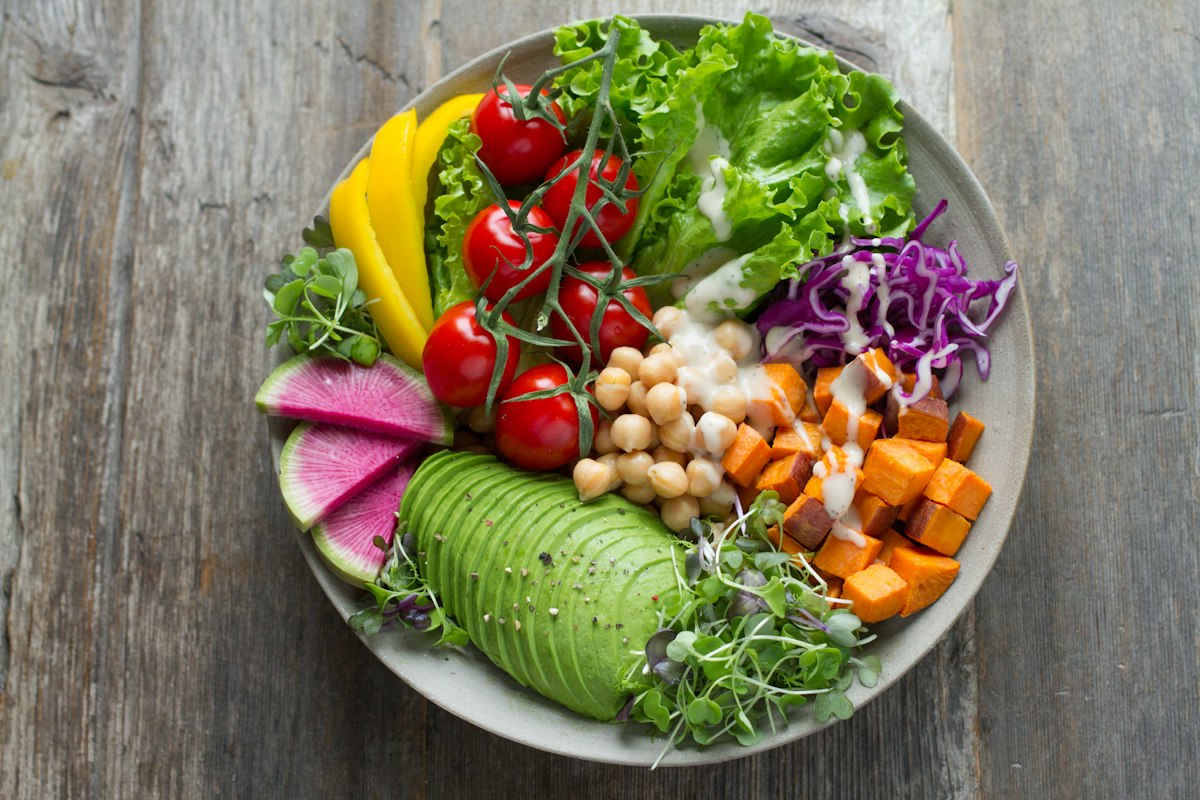
If you're looking to improve your blood sugar levels, the answer isn't about deprivation—it's about choosing the right foods. After years of experimenting with different diets and monitoring my own glucose levels, I've learned that certain foods consistently help maintain stable blood sugar without sacrificing flavor or satisfaction.
The American Diabetes Association emphasizes that there's no one-size-fits-all approach, but research has identified specific foods that work remarkably well for most people. Let me share the eight foods that have genuinely transformed my blood sugar management.
1. Leafy Green Vegetables: Nature's Blood Sugar Stabilizers
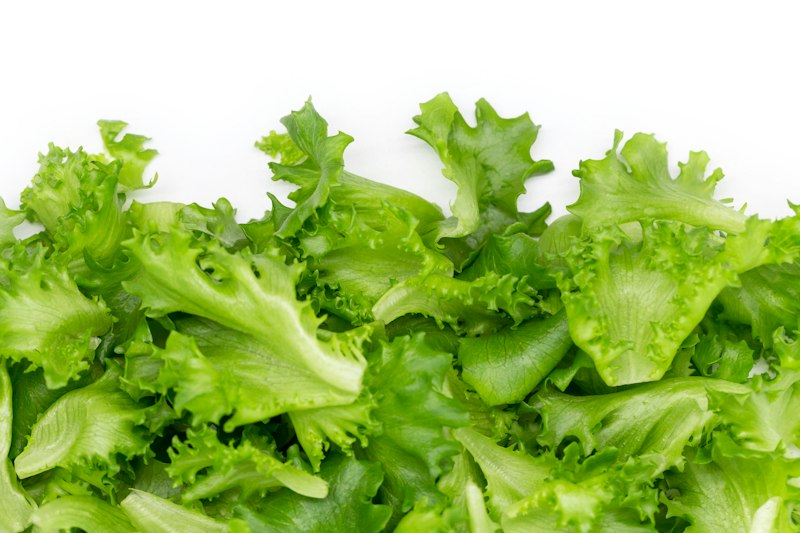
Leafy greens like spinach, kale, and Swiss chard are nutritional powerhouses that should be on everyone's plate daily. Research published in the British Medical Journal found that eating more green leafy vegetables can significantly reduce the risk of developing type 2 diabetes.
What makes them so effective? Studies show that higher intakes of green leafy vegetables are associated with improved glucose tolerance and insulin sensitivity. They're incredibly low in calories and carbohydrates while being packed with vitamins, minerals, and fiber.
I personally aim for at least two cups of leafy greens daily. Sometimes it's a simple spinach salad with lunch, other times I blend kale into my morning smoothie. The versatility makes it easy to incorporate them consistently.
2. Legumes: The Protein and Fiber Powerhouse
Beans, lentils, and chickpeas have become staples in my kitchen, and for good reason. Research shows that legumes are rich in magnesium, fiber, and protein—nutrients that can help lower blood sugar effectively.
They're particularly high in soluble fiber, which slows digestion and prevents rapid glucose spikes. A review of 25 controlled studies found that eating whole flaxseed led to significant improvements in blood sugar regulation.
What I love most about legumes is their versatility. I add black beans to salads, make lentil soup for dinner, or roast chickpeas for a crunchy snack. They're filling, affordable, and genuinely delicious when prepared well.
3. Whole Grains: Choose Your Carbs Wisely
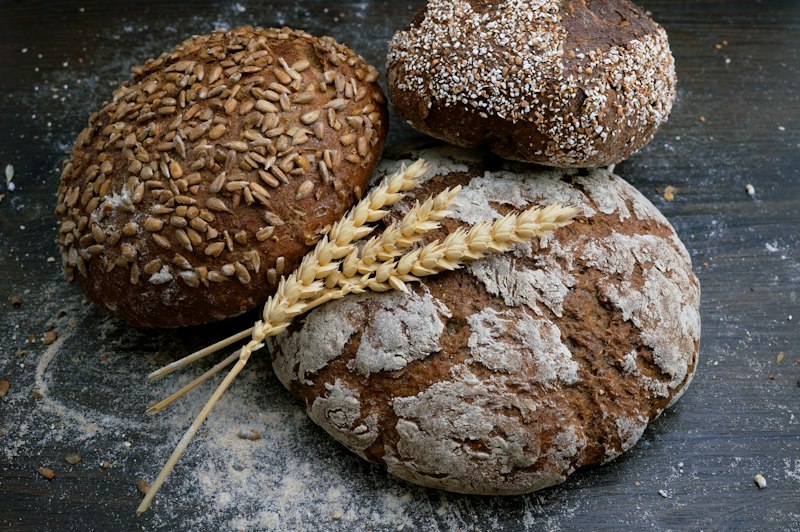
Not all carbohydrates are created equal. Mass General Brigham nutritionists recommend whole grains such as whole wheat bread and pasta, brown rice, oats, and quinoa as excellent sources of fiber that help control blood sugar.
The key difference? Whole grains contain all parts of the grain—the bran, germ, and endosperm—which slow down digestion and provide steady energy. Medical News Today notes that for people with diabetes, foods the body breaks down slowly are preferable because they don't cause dramatic spikes and dips.
I switched from white rice to quinoa and brown rice about two years ago. Initially, I missed the familiar texture of white rice, but now I genuinely prefer the nutty flavor and satisfying texture of whole grains. Plus, I notice I stay full much longer.
4. Fatty Fish: Omega-3 for Metabolic Health
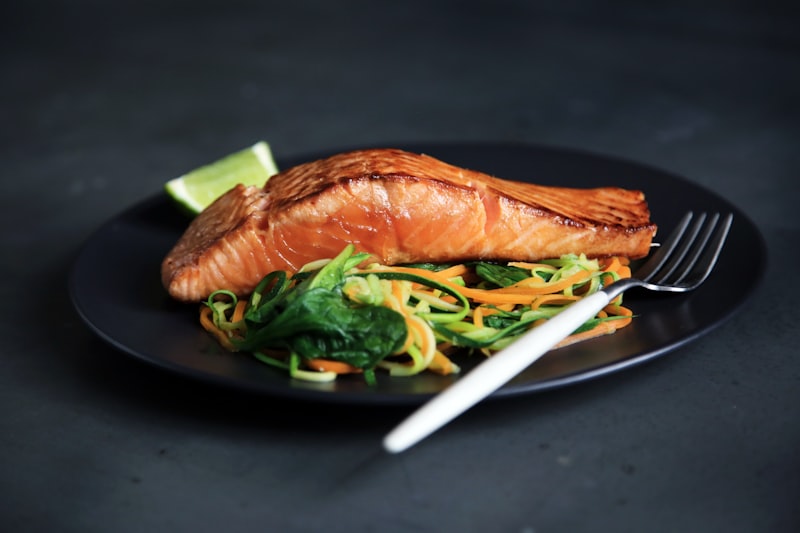
Salmon, mackerel, sardines, and other fatty fish are rich in omega-3 fatty acids, which have been shown to improve insulin sensitivity and reduce inflammation—two critical factors in blood sugar management.
The Mediterranean diet, which emphasizes fish and seafood, has been linked to improved insulin signaling and reduced A1c levels according to Mayo Clinic research. These healthy fats don't raise blood sugar and can actually help your body process glucose more efficiently.
I try to eat fatty fish at least twice a week. My favorite is simply grilled salmon with lemon and herbs—easy, delicious, and incredibly beneficial for blood sugar control.
5. Nuts and Seeds: Small But Mighty

Almonds, walnuts, chia seeds, and flaxseeds are nutrient-dense foods that combine healthy fats, protein, and fiber—the perfect trio for blood sugar stability. The American Diabetes Association includes nuts in their list of diabetes superstar foods rich in vitamins, minerals, antioxidants, and fiber.
What's remarkable about nuts is their portability and convenience. A small handful (about 1 ounce) makes an excellent snack that won't spike your blood sugar but will keep you satisfied for hours.
I keep a small container of mixed nuts in my bag for emergencies. It's saved me countless times from making poor food choices when I'm hungry and on the go.
6. Greek Yogurt: Protein-Rich Probiotic

Greek yogurt stands out from regular yogurt because it contains nearly double the protein and less sugar. Research from Abbott Nutrition shows that probiotic yogurt is excellent for managing blood sugar levels and has been shown to lower fasting blood sugar and hemoglobin A1C among those with type 2 diabetes.
The key is choosing plain, unsweetened Greek yogurt and adding your own toppings like berries, nuts, or a sprinkle of cinnamon. This way, you control the sugar content while maximizing the benefits.
I eat Greek yogurt almost every morning topped with a handful of blueberries and walnuts. It's become my favorite breakfast because it keeps me full until lunch and doesn't cause any blood sugar spikes.
7. Berries: Nature's Sweet Treat
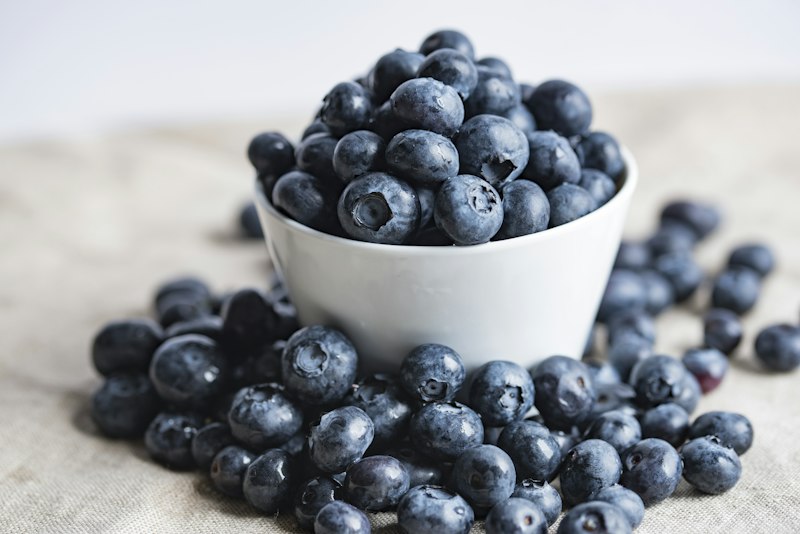
When you're craving something sweet, berries are your best friend. Strawberries, blueberries, raspberries, and blackberries are relatively low in sugar compared to other fruits and packed with fiber and antioxidants.
Mayo Clinic research indicates that berries have been linked to improved insulin signaling. The fiber content helps slow sugar absorption, preventing rapid blood sugar spikes that other fruits might cause.
I keep frozen berries on hand year-round. They're perfect for smoothies, topping yogurt, or eating as a simple dessert. The frozen ones are just as nutritious as fresh and often more affordable.
8. Extra Virgin Olive Oil: The Mediterranean Secret

Extra virgin olive oil is a cornerstone of the Mediterranean diet and has been extensively studied for its health benefits. The NCBI recommends olive oil as a primary fat for individuals with diabetes, replacing other fats and oils.
The monounsaturated fats in olive oil improve insulin sensitivity and help reduce inflammation. Mayo Clinic research shows that foods like extra virgin olive oil have been linked to improved insulin signaling and reduced A1c levels.
I use olive oil liberally—for cooking, making salad dressings, and even drizzling over vegetables. The rich, fruity flavor enhances almost any dish while providing significant metabolic benefits.
Putting It All Together
Managing blood sugar isn't about restriction—it's about making informed choices. These eight foods work because they share common characteristics: they're high in fiber, protein, or healthy fats, and they're minimally processed.
The American Diabetes Association notes that non-starchy vegetables should make up half your meal according to the Diabetes Plate method. Combine this with lean proteins like fish, healthy fats from nuts and olive oil, and whole grains in moderate portions, and you have a sustainable eating pattern.
Start by incorporating one or two of these foods into your daily routine this week. Maybe it's adding spinach to your eggs or choosing Greek yogurt instead of regular yogurt. Small, consistent changes compound into significant results over time.
Remember, these foods work best as part of an overall healthy lifestyle that includes regular physical activity, adequate sleep, and stress management. But choosing the right foods is a powerful step in the right direction—one that I've found makes managing blood sugar feel less like a burden and more like simply eating well.
References & Sources
Key Research:
- American Diabetes Association - Diabetes Superstar Foods
- Mayo Clinic - Mediterranean Diet and Diabetes Management
- British Medical Journal - Green Leafy Vegetables and Diabetes Risk
- National Center for Biotechnology Information (NCBI) - Dietary Advice for Diabetes
- Mass General Brigham - Blood Sugar Control Through Diet
- Abbott Nutrition - Foods to Manage Blood Sugar
- Medical News Today - Best Foods for Blood Sugar Control
- PubMed - Green Leafy Vegetables and Type 2 Diabetes
SEO Keywords: blood sugar control, diabetes management, best foods for diabetes, glucose control, insulin sensitivity, diabetic diet, healthy eating for diabetes, low glycemic foods, diabetes prevention, leafy greens benefits, whole grains diabetes, omega-3 fatty acids, Greek yogurt diabetes, berries blood sugar, olive oil benefits, legumes for diabetes, nuts and blood sugar, prediabetes diet
Comments
Post a Comment