Top 3 Effective Ways to Relieve Menstrual Migraine Pain Naturally"

For many women, the days surrounding menstruation bring more than just typical period symptoms. Approximately 60% of women who experience migraines report attacks occurring around their menstrual cycle, a condition known as menstrual migraine. Unlike regular headaches, these hormone-triggered migraines tend to be more severe, longer-lasting, and often more resistant to standard treatments.
Menstrual migraines typically strike within a predictable window—from two days before menstruation begins through the third day of the period. The culprit behind these debilitating headaches is the natural drop in estrogen levels that occurs just before menstruation starts. This hormonal fluctuation affects pain processing in the brain's trigeminovascular system, triggering intense throbbing pain, nausea, light sensitivity, and other challenging symptoms that can significantly disrupt daily life.
The good news is that understanding the unique nature of menstrual migraines has led researchers and clinicians to develop targeted treatment strategies. Here are the three most effective, evidence-based approaches to managing and preventing these hormone-related headaches.
1. Acute Treatment with Triptans and NSAIDs
When a menstrual migraine strikes, fast-acting medication can make all the difference. The most effective acute treatment approach combines two types of medications that work together to stop the attack in its tracks.
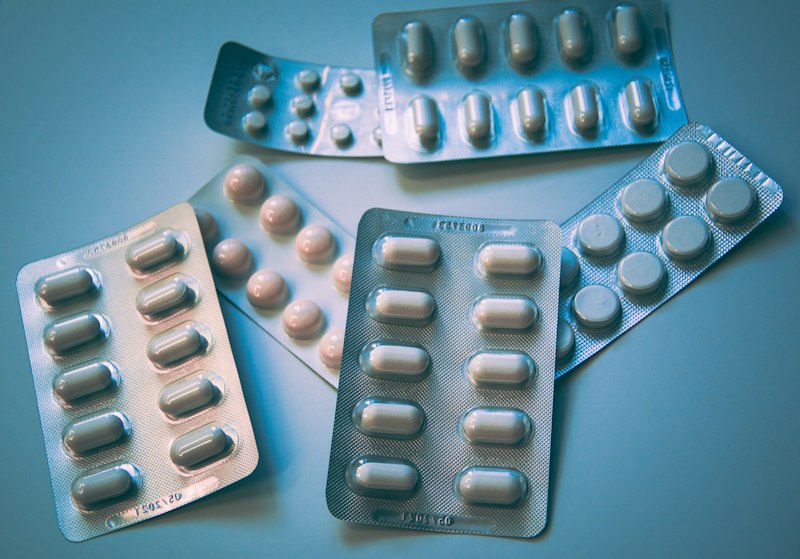
Triptans are specialized migraine medications that work by targeting serotonin receptors in the brain. Research shows that several triptans are particularly effective for menstrual migraines, including sumatriptan, rizatriptan, and zolmitriptan. Clinical trials have demonstrated impressive results: sumatriptan achieved pain freedom in 61% of women within two hours, while rizatriptan showed sustained pain relief between two and twenty-four hours in 63% of cases.
The key to success with triptans is early intervention. Taking the medication at the first sign of symptoms—whether that's the premonitory phase with food cravings and mood changes, or the onset of aura—leads to better outcomes. These medications come in various forms including oral tablets, nasal sprays, and injections, allowing women to choose the delivery method that works best for their individual needs.
NSAIDs (non-steroidal anti-inflammatory drugs) complement triptans by reducing inflammation and pain through a different mechanism. Medications like naproxen sodium and ibuprofen not only help with migraine pain but can also address menstrual cramps that often accompany the headaches. The combination of a fast-acting triptan with an NSAID has been shown to be more effective than either medication alone.
It's important to note that while these medications are highly effective, they should be used judiciously. Taking pain relievers or triptans too frequently can lead to medication overuse headache, a condition where headaches actually become more frequent. Healthcare providers recommend tracking medication use carefully and discussing any concerns about overuse.
2. Short-Term Prevention (Mini-Prevention)
For women with predictable menstrual cycles, a proactive approach called mini-prevention can be remarkably effective. This strategy involves taking preventive medication for five to seven days around the time when menstrual migraines typically occur—usually starting two days before the expected period and continuing through the first few days of menstruation.

Preventive NSAIDs taken twice daily during this window can significantly reduce the frequency and severity of menstrual migraines. Studies have shown that naproxen at a dose of 550 milligrams twice daily is particularly effective. When attacks do occur during this preventive period, they tend to be milder and more responsive to acute treatment.
Long-acting triptans can also be used for mini-prevention. Frovatriptan and naratriptan are preferred for this purpose because they remain active in the body for longer periods. Multiple randomized controlled trials have demonstrated that taking these medications twice daily during the menstrual window leads to statistically significant reductions in migraine attacks. This approach is particularly beneficial for women who experience severe, predictable menstrual migraines that are difficult to treat once they begin.
Magnesium supplementation offers another evidence-based mini-prevention option. Research shows that starting magnesium oxide (400 mg at bedtime) on day 15 of the menstrual cycle and continuing until the next period begins can be effective in preventing menstrual migraines. This strategy is particularly appealing because it's safe, well-tolerated, and doesn't require perfectly regular cycles to be effective—you simply count 15 days from the start of your last period.
The beauty of mini-prevention is that it targets the specific time when migraines are most likely to occur, rather than requiring daily medication throughout the entire month. This approach minimizes medication exposure while maximizing protection during vulnerable days.
3. Hormonal Management Strategies
Since menstrual migraines are fundamentally triggered by hormonal fluctuations, stabilizing hormone levels represents a powerful treatment approach. For many women, particularly those who also need contraception or have other menstrual symptoms, hormonal management can be life-changing.

Continuous contraceptive regimens work by eliminating the hormone-free interval that typically occurs with traditional birth control pills. Instead of taking active pills for 21 days followed by seven days of placebo pills (during which menstruation and often migraines occur), women take active hormone pills continuously. This eliminates the sharp drop in estrogen that triggers migraines.
This approach can be implemented with various methods including birth control pills taken without breaks, or vaginal rings replaced immediately rather than waiting for a menstrual period. Women typically allow a break for menstruation every three to six months, during which their healthcare provider may recommend aggressive migraine treatment or mini-prevention strategies.
Estrogen supplementation during the menstrual week offers another hormonal approach, particularly for women who cannot or prefer not to take continuous contraception. Supplemental estrogen in the form of pills, vaginal gels, or patches can be used during the week of menstruation to prevent the natural estrogen drop that triggers migraines. This approach essentially "smooths out" the hormonal fluctuation that causes the problem.
It's crucial to note that hormonal treatments aren't appropriate for everyone. Women who experience migraine with aura have an increased risk of stroke when taking estrogen-containing contraceptives, and these medications are generally not recommended for them. Women with other stroke risk factors, such as smoking or high blood pressure, need careful evaluation before starting hormonal treatments. Additionally, if migraine with aura develops for the first time while taking hormonal contraception, women should contact their healthcare provider immediately to discuss alternative options.
Finding Your Path Forward
Menstrual migraines represent a unique challenge, but they don't have to control your life. The most important first step is accurate tracking—keeping a detailed diary for at least three months that records both migraine attacks and menstrual cycles. This information helps identify patterns and guides treatment decisions.
The choice among these three approaches—or a combination of them—depends on multiple individual factors including cycle regularity, severity of attacks, need for contraception, presence of other menstrual symptoms, and personal health history. Some women find that simple acute treatment is sufficient, while others benefit most from proactive prevention. Many discover that a multi-faceted approach combining medication with lifestyle strategies like stress management, regular sleep schedules, and staying well-hydrated provides the best results.
Working closely with a healthcare provider who understands the complexities of menstrual migraine is essential. Treatment often requires some trial and adjustment to find the optimal strategy. The encouraging news is that research continues to advance our understanding of hormonal influences on migraine, leading to increasingly sophisticated and effective treatment options.
With the right approach tailored to your individual needs, menstrual migraines can be effectively managed, allowing you to reclaim those days of the month that hormonal headaches once stole from your life.
References: This article is based on clinical guidelines from the American Migraine Foundation, Cleveland Clinic, National Headache Foundation, and peer-reviewed research published in medical journals including The Journal of Headache and Pain and Headache.
Comments
Post a Comment