The Truth About Processed Foods: What You Need to Know for Better Health

Walk through any modern grocery store, and you'll find aisle after aisle filled with colorful packages, convenient meals, and ready-to-eat snacks. These processed foods have become a dominant part of the global food supply, fundamentally changing how we eat. But what exactly are processed foods, and how do they impact our health? This comprehensive guide explores the science behind processed foods, their effects on our bodies, and practical strategies for making healthier choices in today's food landscape.
Understanding Processed Foods: Not All Processing is Equal

The term "processed food" covers a broad spectrum, and understanding the different levels of processing is crucial for making informed dietary choices. Not all processing is inherently harmful—in fact, some forms of food processing have been practiced for centuries and offer important benefits.
To better understand processed foods, researchers developed the NOVA classification system, which categorizes foods into four groups based on the extent and purpose of processing. The first group includes unprocessed or minimally processed foods—items like fresh fruits, vegetables, milk, eggs, nuts, and seeds that have undergone little to no alteration from their natural state. These foods may be cleaned, dried, frozen, or pasteurized, but they remain essentially whole foods.
The second group consists of processed culinary ingredients such as butter, oils, sugar, and salt. These are substances extracted from natural foods or obtained from nature and used in kitchens to prepare meals. The third group contains processed foods, which are made by adding salt, oil, sugar, or other substances from the second group to foods from the first group. Examples include canned vegetables with added salt, fruits in syrup, cheeses, and freshly made breads. Many of these foods can be part of a healthy diet when consumed appropriately.
The category that raises the most concern is ultra-processed foods, which now account for nearly sixty percent of calories consumed by adults in the United States and close to seventy percent of calories consumed by American children. These foods are industrial formulations that contain ingredients you wouldn't typically find in a home kitchen—things like emulsifiers, colorings, flavor enhancers, bulking agents, and various chemical additives designed to extend shelf life and maximize palatability.
The Health Impact of Ultra-Processed Foods

The rapid rise in ultra-processed food consumption has coincided with increasing rates of chronic diseases worldwide, and research increasingly suggests this is no coincidence. A comprehensive review published in the British Medical Journal examined 45 studies involving almost 10 million participants and found that eating more ultra-processed foods is linked to a higher risk of dying from any cause and has ties to 32 health conditions, including heart disease, mental health disorders, type 2 diabetes, and other problems.
These foods pose multiple threats to our health through various mechanisms. First, their nutritional profile is typically poor—they're often high in saturated fat, salt, and sugar while being low in fiber and essential nutrients. When we fill up on these calorie-dense but nutrient-poor foods, we leave less room in our diets for the fruits, vegetables, whole grains, and lean proteins our bodies actually need.
Ultra-processed foods draw on our natural craving for sweetness but are largely devoid of the nutritional value historically associated with that taste. Food manufacturers have mastered the art of creating products that hit what researchers call the "bliss point"—the optimal combination of fat, salt, and sugar that keeps us coming back for more. These combinations would never exist in nature, yet they're powerfully addictive, making it extremely difficult to eat these foods in moderation.
The processing itself may alter how our bodies respond to food. Studies have demonstrated that when foods like nuts are consumed whole, the body absorbs less fat than when the same nuts are ground down and their oils are released. This suggests that the physical structure of food matters, and industrial processing that breaks down natural food structures may increase calorie absorption and impact our metabolic response.
The Gut Health Connection

One of the most concerning aspects of ultra-processed food consumption involves its impact on gut health and the trillions of bacteria that live in our digestive system. Research has shown that eating ultra-processed foods, which are generally low in fiber, is detrimental to gut health. These foods tend to be easily digested, with their components absorbed quickly into the bloodstream, leaving little for the beneficial microbes in our large intestine.
Our gut bacteria need fiber and partially digested food particles to thrive. Without adequate nutrition, these microbes can starve or begin eating the protective mucus lining of the intestinal wall, which serves as a crucial barrier against pathogens and inflammation. This can increase gut susceptibility to infections and inflammatory conditions.
The chemical additives commonly found in ultra-processed foods add another layer of concern. Emulsifiers, which are used in food manufacturing to combine substances that would normally separate, can disrupt the gut microbiome and weaken the intestinal barrier. A randomized controlled study found that participants who consumed food containing a widely used emulsifier experienced alterations in their intestinal bacteria composition and function.
An altered gut microbiome doesn't just affect digestive health—it has far-reaching implications throughout the body. Studies have suggested links between disrupted gut bacteria and mental health conditions, metabolic disorders, immune dysfunction, and chronic inflammation. The fiber deficiency in ultra-processed diets may explain connections among diet, depression, and overall gut health, as fiber feeds beneficial bacteria that produce compounds influencing brain function and mood.
The Calorie Trap: Why We Overeat Processed Foods

One of the most compelling pieces of evidence about ultra-processed foods comes from a landmark study conducted at the National Institutes of Health. Twenty healthy volunteers were confined to a medical facility where they received either an ultra-processed diet or a minimally processed diet for two weeks, then switched to the other diet for another two weeks. The meals were carefully matched for total calories, fat, carbohydrates, protein, fiber, sugars, and sodium. On average, people eating the ultra-processed diet consumed about 500 calories more per day compared to those fed the minimally processed diet.
This extra 500 calories daily might not sound dramatic, but it's enough to cause significant weight gain over time. Participants gained on average two pounds during the ultra-processed diet phase and lost two pounds during the unprocessed diet phase. The researchers concluded that limiting ultra-processed foods may be an effective strategy for preventing and treating obesity.
But why do people eat more when presented with ultra-processed foods? Several factors contribute to this phenomenon. Ultra-processed foods typically have more calories per bite than minimally processed foods, meaning you can consume more energy before your stomach registers fullness. They're also engineered to be what researchers call "hyperpalatable"—having artificially enhanced taste that exceeds what any single ingredient could produce naturally.
The combination of fat with sugar, fat with salt, or carbohydrates with salt creates a reward response in the brain that exceeds what we'd experience from natural foods. Previous research has shown that foods combining fat and carbohydrates are particularly effective at activating the brain's reward system, more so than foods containing just one of those components. This may explain why it's so easy to mindlessly consume an entire bag of chips or box of cookies in one sitting.
Chronic Disease Risk: The Long-Term Consequences

The health consequences of regularly consuming ultra-processed foods extend far beyond weight gain. A large study conducted over 19 years showed a 31 percent higher mortality for the highest versus lowest consumers of ultra-processed foods. This increased risk of death stems from multiple disease pathways that these foods promote.
Cardiovascular disease represents one of the most significant concerns. Large observational studies suggest an association between ultra-processed diets and heart disease. The high levels of saturated fat, sodium, and refined carbohydrates in these foods contribute to high blood pressure, elevated cholesterol, inflammation, and arterial damage—all major risk factors for heart attacks and strokes.
Type 2 diabetes risk also increases substantially with ultra-processed food consumption. These foods cause rapid spikes in blood sugar due to their refined carbohydrate content and lack of fiber, which would normally slow sugar absorption. Over time, this repeated stress on the body's insulin system can lead to insulin resistance and eventually diabetes. Recent documentation shows an increased risk of type 2 diabetes, cardiovascular disease, and dementia associated with ultra-processed food consumption.
Cancer risk appears elevated as well, though the mechanisms are still being studied. The combination of obesity promotion, chronic inflammation, harmful additives, and possibly carcinogenic compounds formed during certain types of processing may all contribute to increased cancer incidence among heavy consumers of ultra-processed foods.
Mental health impacts are increasingly recognized as another serious consequence. Studies have found associations between high ultra-processed food intake and increased rates of depression, anxiety, and cognitive decline. While the exact mechanisms aren't fully understood, the effects on gut health, chronic inflammation, blood sugar instability, and nutrient deficiencies likely all play roles.
Hidden Dangers: Additives and Chemical Concerns

Beyond the basic nutritional problems with ultra-processed foods, concerns exist about the numerous additives these products contain. Ultra-processed foods typically contain a long list of ingredients, most of which are not used in home cooking and would be more familiar in a chemistry lab. These include artificial colors, flavors, preservatives, emulsifiers, thickeners, sweeteners, and various other chemicals designed to enhance taste, appearance, and shelf life.
While regulatory agencies generally consider these additives safe at approved levels, several issues complicate this assumption. First, most safety testing examines individual additives in isolation, but people consuming ultra-processed foods are exposed to complex combinations of multiple additives simultaneously. The potential interactions and cumulative effects of these chemical cocktails remain largely unstudied.
Second, what's deemed "safe" may be based on outdated research or industry-funded studies with potential conflicts of interest. Recent actions by health authorities highlight these concerns—California has moved to ban several food additives, and the FDA recently banned red dye number three from foods amid growing evidence of potential health risks.
Particularly concerning are additives that may interfere with hormone function, promote inflammation, or disrupt metabolic processes. Some preservatives and artificial sweeteners have been linked to negative effects on gut bacteria, potentially contributing to metabolic disorders. Certain food dyes have been associated with hyperactivity in children, leading some countries to require warning labels or ban them entirely.
The concern extends beyond individual additives to the overall chemical load on our bodies. Many ultra-processed foods contain compounds formed during manufacturing processes—such as acrylamides created when starchy foods are heated to high temperatures, or advanced glycation end products formed when proteins and sugars are heated together. These compounds may promote inflammation and cellular damage over time.
The Socioeconomic Dimension

The ultra-processed food problem is not just about individual choices—it's deeply intertwined with socioeconomic factors and food system structures. The problems are especially acute for individuals who are food insecure, as constraints of limited access and affordability of nutritious food lead to especially high consumption of ultra-processed foods.
Ultra-processed foods are deliberately designed to be inexpensive, accessible, and appealing. They offer several advantages that make them attractive, particularly to people with limited resources: they're usually cheaper per calorie than fresh, whole foods; they have long shelf lives, reducing the risk of food waste; they require minimal preparation time and cooking skills; and they're widely available even in areas with limited access to fresh food, often called "food deserts."
This creates a troubling situation where the people most vulnerable to health problems from poor diet—those with lower incomes, limited education, and restricted access to healthcare—are the same people most likely to rely heavily on ultra-processed foods. The resulting health disparities contribute to cycles of poverty, as diet-related diseases lead to medical expenses, lost work productivity, and reduced quality of life.
Marketing strategies compound these inequities. Food companies spend billions on advertising, with ultra-processed products disproportionately marketed to children and minority communities. Convenience stores in low-income neighborhoods often stock primarily ultra-processed options, while fresh produce sections are limited or nonexistent. Schools in lower-income areas may rely more heavily on processed foods in cafeteria meals due to budget constraints.
Making Better Choices in a Processed Food World
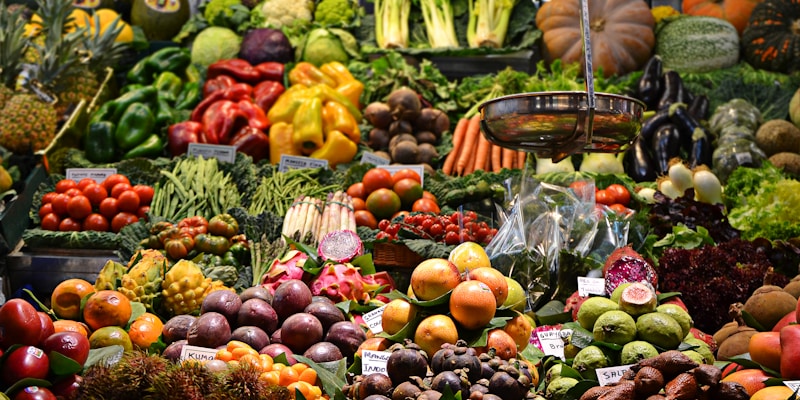
Given the prevalence of processed foods in our modern food environment, completely avoiding them is unrealistic for most people. The goal should be to minimize ultra-processed foods while emphasizing whole and minimally processed options. Here are practical strategies for navigating today's food landscape more healthfully.
Start by learning to identify ultra-processed foods. Looking at a nutrition label will give you an idea if a food is ultra-processed—if you don't recognize many of the ingredients listed, that can be a sign that there was a lot of processing involved. Long ingredient lists filled with chemical-sounding names are red flags. If you wouldn't cook with an ingredient at home, question whether you should be eating products containing it.
Focus your shopping on the perimeter of the grocery store, where fresh produce, meats, dairy, and eggs are typically located. These whole and minimally processed foods should form the foundation of your diet. When you do buy packaged foods, choose those with short ingredient lists containing recognizable items. For example, bread made from whole wheat flour, water, yeast, and salt is far less processed than bread containing dozens of additives and preservatives.
Prioritize home cooking whenever possible. Preparing meals from scratch gives you complete control over ingredients and allows you to avoid the excessive salt, sugar, and additives found in restaurant and packaged foods. Batch cooking and meal prep can make home cooking more feasible even with a busy schedule. Cook larger quantities on weekends and freeze portions for quick weekday meals.
When convenience is necessary, choose the least processed options available. Some "processed" foods can fit into a healthy diet—plain Greek yogurt, canned beans rinsed to reduce sodium, frozen vegetables without sauces, and whole grain pasta are examples of foods that undergo processing but retain nutritional value and don't contain harmful additives.
Read nutrition labels carefully, paying attention not just to calories but to sodium, added sugars, saturated fat, and fiber content. Compare similar products and choose options lower in the first three and higher in fiber. Be skeptical of health claims on packages—terms like "natural," "wholesome," or "made with real fruit" are often marketing tactics used on highly processed products.
A Balanced Perspective on Processing
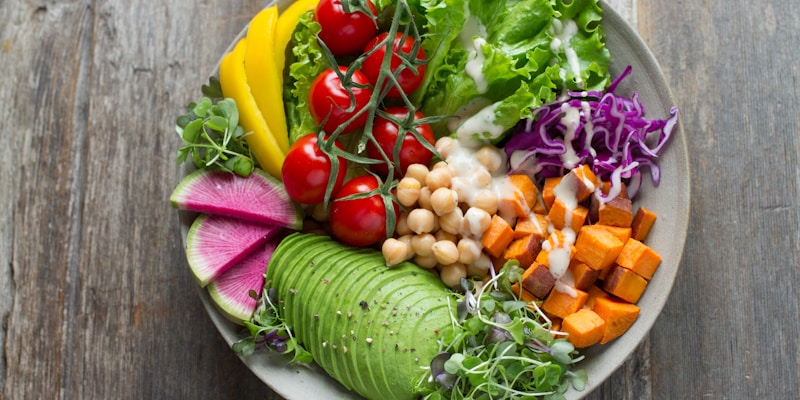
While the evidence clearly shows that ultra-processed foods pose significant health risks, it's important to maintain perspective and avoid all-or-nothing thinking. Occasional consumption of ultra-processed foods in the context of an otherwise healthy diet is unlikely to cause harm. The problem arises when these foods dominate our eating patterns, which has become the norm for many people.
Some foods that fall into the "ultra-processed" category by technical definitions may still offer value. For instance, whole grain breakfast cereals with added vitamins and minerals, fortified plant-based milk alternatives, and whole wheat bread from a package can be part of a healthy diet. The key is looking at the overall nutritional profile and ingredient list rather than simply avoiding anything that comes in a package.
It's also worth recognizing that food processing has provided important benefits, including improved food safety through pasteurization, extended access to nutrition through fortification, and reduced food waste through preservation. The challenge is distinguishing between processing that enhances food value and processing that degrades it while adding harmful ingredients.
Individual responses to ultra-processed foods can vary. Some people seem more susceptible to weight gain and metabolic problems from these foods, while others show more resilience. Genetics, gut microbiome composition, overall diet quality, physical activity, stress levels, and sleep all influence how your body responds to different foods. This doesn't mean ultra-processed foods are harmless—it just means their effects exist on a spectrum.
The Path Forward: Personal and Policy Solutions

Addressing the ultra-processed food crisis requires action at both individual and societal levels. For individuals, education and awareness are crucial first steps. Understanding how to identify these foods, why they're problematic, and how to choose healthier alternatives empowers people to make better decisions within the constraints of their circumstances.
Developing cooking skills and food knowledge helps reduce dependence on processed foods. Learning basic techniques for preparing vegetables, grains, and proteins makes home cooking less daunting. Teaching children to cook and involving them in meal preparation establishes healthy patterns early. Community cooking classes and online resources can provide support for people looking to improve their culinary abilities.
Building food literacy helps people navigate marketing claims and understand nutrition labels. Knowing the difference between marketing hype and genuine nutritional value allows consumers to see through manipulative packaging and advertising. Understanding that "low fat" often means high sugar, that "natural" is largely meaningless, and that serving sizes on labels rarely reflect realistic portions helps people make informed choices.
At the policy level, potential interventions include clearer labeling requirements that highlight ultra-processed foods, restrictions on marketing unhealthy foods to children, taxation on ultra-processed products similar to tobacco and alcohol taxes, subsidies to make fresh foods more affordable and accessible, and improved nutrition standards for institutional food programs in schools, hospitals, and government facilities.
Healthcare providers play an important role by screening patients for diet-related health risks, providing education about ultra-processed foods, and connecting patients with resources like nutrition counseling and cooking programs. Medical education should include more comprehensive training on nutrition so doctors can confidently address diet with their patients.
Conclusion: Reclaiming Food Quality in Modern Life
The rise of ultra-processed foods represents one of the most significant dietary shifts in human history, and the health consequences are becoming increasingly clear. These industrial formulations, engineered for profit rather than nutrition, have infiltrated our food supply to an alarming degree. The evidence shows that high consumption of ultra-processed foods significantly increases risks for obesity, heart disease, diabetes, cancer, mental health problems, and premature death.
However, awareness of the problem is growing, and solutions exist at multiple levels. Individuals can prioritize whole and minimally processed foods, develop cooking skills, and become savvy readers of food labels. Communities can demand better access to fresh, affordable food and support local food systems. Policymakers can implement regulations that protect public health over corporate profits. Healthcare providers can make nutrition a central part of preventive medicine.
The goal is not perfection but progress. Small changes—like cooking one extra meal at home each week, choosing fruit instead of cookies for snacks, or swapping sugary breakfast cereals for oatmeal with fresh fruit—accumulate into meaningful improvements in diet quality. Even modest reductions in ultra-processed food intake can yield health benefits.
Ultimately, the ultra-processed food issue reflects broader questions about what kind of food system we want and who should control it. Will we allow our diets to be dictated by corporations optimizing for shelf life and profit margins, or will we reclaim food as something that nourishes rather than merely fills us? The choices we make—individually and collectively—will shape not only our own health but the health of future generations.
Medical Disclaimer: This article provides general health information for educational purposes and should not replace professional medical advice. If you have specific health concerns or conditions, consult a qualified healthcare provider before making significant dietary changes. Individual nutritional needs vary based on age, activity level, health status, and other factors.
Comments
Post a Comment