Beware of These Foods That Cause Inflammation

Understanding Chronic Inflammation and Its Impact on Health
Chronic inflammation operates as a silent threat within your body, continuously damaging tissues and organs while significantly increasing vulnerability to serious medical conditions. Unlike acute inflammation that heals injuries and fights infections temporarily, chronic inflammation persists over months or years, creating an environment where diseases flourish. Research demonstrates strong connections between prolonged inflammatory responses and heart disease, type 2 diabetes, arthritis, certain cancers, and neurodegenerative disorders including Alzheimer's disease.
Primary Inflammatory Food Culprits
Processed and Red Meats

Red meat and processed meats stand as primary inflammatory triggers in modern diets. These products contain high levels of saturated fats and advanced glycation end products (AGEs) that activate inflammatory pathways throughout the body. Processed meats like bacon, sausages, hot dogs, and deli meats contain additional preservatives and sodium nitrates that further amplify inflammatory responses.
Refined Carbohydrates and Added Sugars

White bread, pastries, sugary cereals, and sweetened beverages spike blood sugar levels rapidly, triggering inflammatory cascades. Studies reveal that 57% of American adults consume pro-inflammatory diets, with refined carbohydrates and added sugars representing major contributors. These foods lack essential fiber and nutrients while promoting insulin resistance and metabolic dysfunction.
Trans Fats: The Most Dangerous Culprit

Trans fats have demonstrated connections to increased inflammation by affecting inflammatory cytokine production and oxidative stress markers, while also leading to blocked arteries, coronary artery disease, and systemic inflammation. Consuming artificial trans fats can increase levels of inflammatory markers such as C-reactive protein (CRP) that cause chronic inflammation. Although largely banned in the United States since 2020, trans fats may still lurk in some fried foods, baked goods, and packaged snacks.
Excessive Alcohol Consumption

Excessive or chronic alcohol use can disrupt the body's immune balance, promote inflammation, and increase susceptibility to infections. Alcohol and its metabolites promote intestinal inflammation through multiple pathways, creating a vicious cycle that leads to additional deleterious effects both locally and systemically. Heavy drinking causes gut dysbiosis, intestinal permeability, and triggers inflammatory responses throughout multiple organ systems.
The Inflammatory Cascade Mechanism

When you consume inflammatory foods regularly, your immune system remains in constant activation mode. This ongoing state triggers release of pro-inflammatory molecules called cytokines, including interleukin-6 (IL-6) and tumor necrosis factor-alpha (TNF-α). These molecules travel throughout your bloodstream, affecting distant organs and tissues while promoting oxidative stress and cellular damage.
Powerful Anti-Inflammatory Food Alternatives
Leafy Green Vegetables and Cruciferous Vegetables

Spinach, kale, Swiss chard, broccoli, and Brussels sprouts contain powerful antioxidants and phytonutrients that combat inflammation. These vegetables provide vitamin K, vitamin E, and numerous polyphenols that protect cells from oxidative damage.
Berries and Colorful Fruits

Blueberries, strawberries, blackberries, and cherries deliver anthocyanins—potent anti-inflammatory compounds. These fruits neutralize free radicals while reducing inflammatory marker levels in clinical studies.
Fatty Fish Rich in Omega-3s

Salmon, mackerel, sardines, and anchovies provide exceptional sources of EPA and DHA omega-3 fatty acids. These essential fats actively reduce inflammation by competing with pro-inflammatory omega-6 fatty acids and promoting resolution of inflammatory processes.
Nuts, Seeds, and Extra Virgin Olive Oil

Walnuts, almonds, flaxseeds, and chia seeds contain alpha-linolenic acid (ALA), fiber, and vitamin E. Extra virgin olive oil delivers oleocanthal, a compound with anti-inflammatory properties comparable to ibuprofen in laboratory studies.
Practical Dietary Strategies for Reducing Inflammation
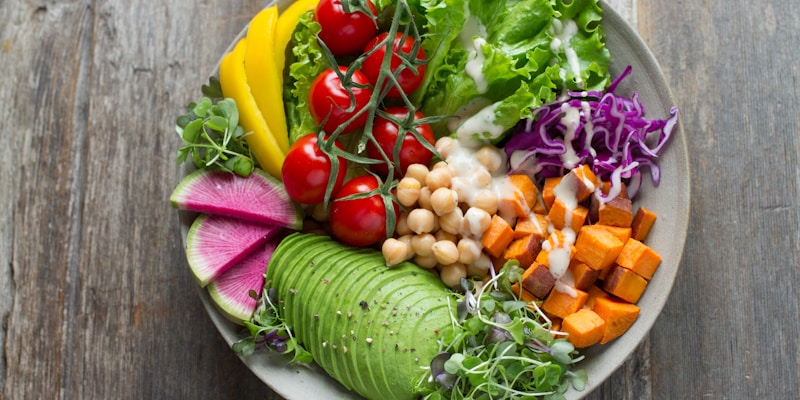
Making sustainable changes requires strategic planning rather than drastic overhauls. Start by replacing one inflammatory food category weekly with anti-inflammatory alternatives. Swap white rice for quinoa, replace sugary sodas with water infused with berries, and choose grilled fish instead of processed meats.
Reading food labels becomes essential—avoid products listing "partially hydrogenated oils" or containing more than five grams of added sugar per serving. Focus on whole, minimally processed foods purchased from the perimeter of grocery stores where fresh produce, lean proteins, and dairy reside.
Evidence-Based Health Outcomes

Clinical research demonstrates measurable improvements when individuals transition from pro-inflammatory to anti-inflammatory eating patterns. Inflammatory marker reductions appear within weeks, while long-term adherence correlates with decreased disease incidence and improved quality of life metrics.
Making these dietary modifications substantially reduces inflammatory markers circulating in your bloodstream while protecting long-term cardiovascular, metabolic, and cognitive health. Your daily food choices represent powerful medicine—choose wisely to combat inflammation and optimize wellness.
SEO Keywords: inflammatory foods, chronic inflammation, anti-inflammatory diet, processed meats, refined carbohydrates, added sugar, trans fats, heart disease prevention, arthritis diet, omega-3 fatty acids, healthy eating, inflammation triggers, gut health, immune system, oxidative stress, metabolic syndrome, type 2 diabetes, cardiovascular disease, whole foods diet, disease prevention
Comments
Post a Comment