5 Major Causes of Heart Attacks
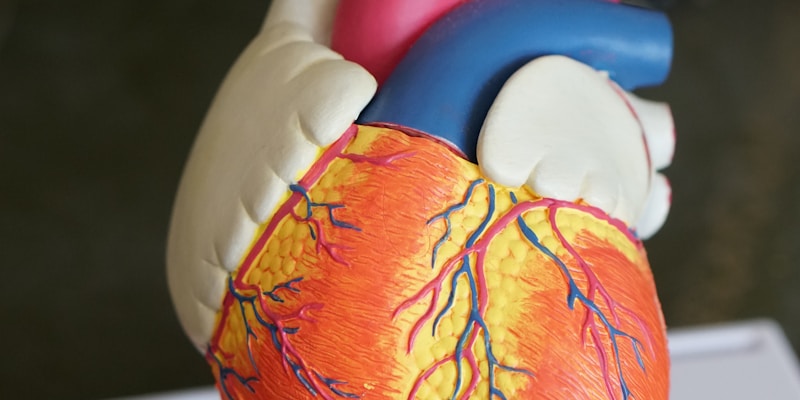
Heart attacks, also known as myocardial infarctions, are among the most serious medical emergencies that threaten human life. A heart attack occurs when one of the arteries supplying the heart with blood and oxygen becomes blocked, leading to the death of part of the heart muscle. In this article, we will explore five major causes behind heart attacks, with a focus on how to prevent them.
1. Atherosclerosis and Fatty Plaque Buildup

Atherosclerosis is the primary cause of heart attacks. This condition begins when fatty deposits containing cholesterol accumulate on the walls of coronary arteries over time. This gradual buildup leads to the formation of what are known as plaques, which narrow the arteries and obstruct blood flow to the heart.
The major problem occurs when one of these plaques suddenly ruptures. When this rupture happens, the body responds naturally by forming a blood clot at the rupture site. However, this clot, which is supposed to be a defensive mechanism, becomes a deadly threat when it completely or partially blocks the coronary artery, preventing oxygen-rich blood from reaching the heart muscle.
Atherosclerosis develops over many years, often beginning in childhood or adolescence. Factors that accelerate this process include elevated levels of harmful cholesterol in the blood, especially low-density lipoprotein (LDL), which adheres to artery walls and accumulates over time. The longer the neglect and lack of treatment, the greater the amount of deposits and the higher the risk of a sudden heart attack.
2. High Blood Pressure and Chronic Arterial Stress

High blood pressure is one of the most dangerous risk factors for heart attacks. When blood pressure is chronically elevated, it places tremendous additional stress on artery walls, leading to their damage and weakening over time.
This constant pressure accelerates the process of atherosclerosis and increases the likelihood of fatty plaque formation. Additionally, high blood pressure forces the heart to work harder to pump blood through narrowed arteries, which exhausts the heart muscle and increases its oxygen requirements. In cases where there is a blockage in the coronary arteries, the heart cannot get enough oxygen, which may lead to a heart attack.
The danger is compounded when high blood pressure is combined with other risk factors such as obesity, diabetes, or smoking. In these cases, a person becomes several times more likely to suffer a heart attack compared to those with only one risk factor. It is crucial to monitor blood pressure regularly and adhere to prescribed treatment to maintain levels within normal limits.
3. Diabetes and High Blood Sugar Levels

Diabetes is one of the most dangerous factors that increase the likelihood of heart attacks. People with diabetes, whether type 1 or type 2, face a much higher risk of developing cardiovascular diseases compared to non-diabetics. Statistics indicate that the rate of heart disease increases by 2.5 times in men and 2.4 times in women with diabetes.
The main reason behind this increased risk is the effect of high blood sugar levels on blood vessels. When glucose levels are consistently elevated, they cause damage to the inner lining of arteries, making them more susceptible to fatty deposit accumulation and plaque formation. This damage significantly accelerates the process of atherosclerosis.
Furthermore, diabetes is often associated with other risk factors such as obesity, high blood pressure, and elevated cholesterol and triglyceride levels. This cluster of interrelated factors creates an ideal environment for heart attacks to occur. Studies have shown that patients with a hemoglobin A1C level above 7% face an 85% higher risk of death from cardiovascular disease compared to those with lower levels.
4. Smoking and Drug Abuse

Smoking is one of the most dangerous habits that destroys heart and cardiovascular health. The U.S. Food and Drug Administration estimates that cardiovascular diseases related to smoking cause approximately 400,000 premature deaths annually. People who smoke face a 51% higher risk of developing coronary heart disease, and this risk doubles for smokers who also have diabetes.
The chemicals in cigarette smoke cause multiple damages to the heart and arteries. Nicotine, for example, raises blood pressure and increases heart rate, forcing the heart to work harder. Carbon monoxide replaces oxygen in the blood, reducing the amount of oxygen that reaches the heart muscle and other organs. This oxygen deficiency significantly strains the heart.
In addition to smoking, drug abuse such as cocaine and amphetamines poses a deadly threat to the heart. These stimulant substances cause spasms in the coronary arteries, leading to their sudden constriction and stopping blood flow to the heart, which can result in an immediate heart attack even in young people without pre-existing heart conditions. Even exposure to secondhand smoke increases the risk of heart disease by 25% to 30%.
5. Obesity and Unhealthy Diet

Obesity is an independent risk factor for heart attacks, doubling the likelihood of developing coronary heart disease. People suffering from severe obesity are more susceptible to developing a whole range of cardiovascular risk factors.
Obesity leads to elevated levels of harmful cholesterol and triglycerides in the blood, accelerating the process of atherosclerosis. It also causes high blood pressure and increases the risk of developing type 2 diabetes. All these conditions combined create an ideal environment for heart attacks to occur. Additionally, excess weight places an extra burden on the heart, forcing it to work harder to pump blood throughout the body.
An unhealthy diet plays a pivotal role in the development of obesity and heart disease. Consuming foods rich in saturated and trans fats and cholesterol directly contributes to plaque accumulation in arteries. Excessive salt (sodium) intake raises blood pressure, while consuming large amounts of added sugars and refined carbohydrates (such as white bread and white pasta) leads to weight gain and elevated blood sugar levels.
Conclusion and Prevention

Understanding the causes of heart attacks is the first step toward preventing them. Most of the risk factors mentioned can be controlled through adopting a healthy lifestyle. This includes following a balanced diet rich in fruits, vegetables, and whole grains, engaging in regular physical exercise for at least 30 minutes daily, quitting smoking and avoiding exposure to secondhand smoke, maintaining a healthy weight, and regular medical follow-ups to monitor blood pressure, sugar, and cholesterol levels.
Early diagnosis and immediate treatment when heart attack symptoms appear—such as chest pain, shortness of breath, and pain in the arm, jaw, or back—can save lives and reduce damage to the heart muscle. Always remember that prevention is better than cure, and that simple daily health decisions can make a significant difference in your heart health over the long term.
Medical Disclaimer: This article provides general information only and does not replace consultation with a qualified physician. If you are experiencing any symptoms or have concerns about your heart health, please consult a doctor immediately.
Comments
Post a Comment