10 Gut Health Tips Your Body Will Thank You For — Simple Habits for a Happier, Healthier Digestive System
Keywords: gut health tips, digestive health, gut microbiome, probiotics, healthy digestion, gut bacteria, improve gut health, digestive system, fiber for digestion, fermented foods
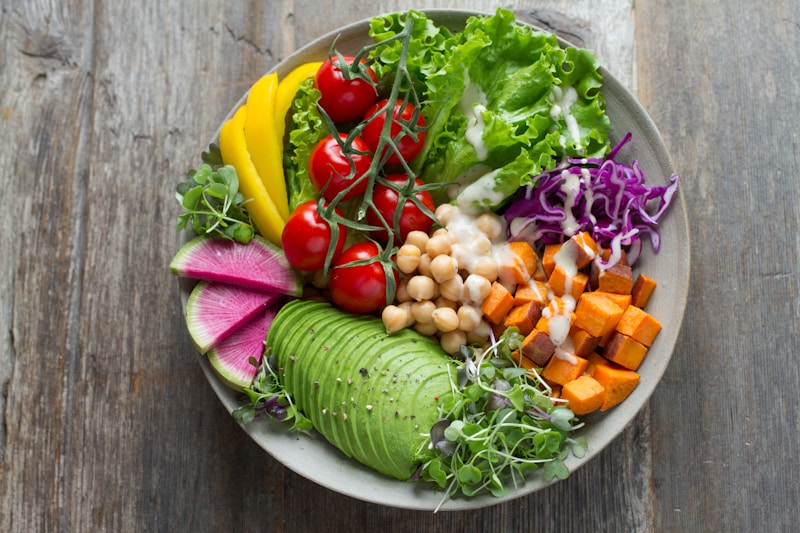
Your gut is far more than just a food processing system. Scientists now refer to it as your "second brain," and for good reason. The intricate ecosystem of trillions of bacteria, fungi, and other microorganisms living in your digestive tract influences everything from your immune function and mood to your weight and risk of chronic disease. The gut is home to 70% of our immune tissue, which directly relates to how well our body fights infections and battles certain diseases, making gut health absolutely critical for overall wellness.
The good news? Supporting your digestive system doesn't require extreme measures or complicated protocols. Small, consistent changes to your daily habits can create profound improvements in how you feel, both physically and mentally. Here are ten evidence-based strategies that will help you cultivate a thriving gut microbiome and optimize your digestive health.
1. Embrace the Power of Dietary Diversity

When it comes to gut health, variety truly is the spice of life. Your gut microbiome thrives on diversity, and the simplest way to support this is by eating a wide range of plant foods.
Research from one of the largest nutritional studies found that aiming for 30 different plant foods each week significantly improves gut microbiome diversity. This might sound daunting, but plant foods include not just fruits and vegetables, but also whole grains, legumes, nuts, seeds, herbs, and spices. Each different plant food you consume feeds different beneficial bacteria in your gut, creating a more robust and resilient microbial community.
Start by adding just one or two new plant foods to your weekly rotation. Try a new vegetable at the farmers market, experiment with different whole grains like quinoa or farro, or incorporate various nuts and seeds into your meals. The cumulative effect of this diversity creates a foundation for excellent digestive health.
Pro tip: Keep a simple tally of plant foods you eat each week. You'll be surprised how quickly you can reach that goal of 30 once you start paying attention and making conscious choices.
2. Load Up on Fiber (But Do It Gradually)

Fiber is arguably the most important nutrient for gut health, yet Americans' fiber intake is 40 to 50 percent of what it should be. Dietary fiber acts as food for your beneficial gut bacteria, helping them flourish and produce important compounds that support your health.
Health experts recommend eating at least 20-30 grams of fiber daily, but most people fall far short of this target. Fiber-rich foods include vegetables, fruits, whole grains, legumes, nuts, and seeds. Leafy greens like spinach and kale contain a specific type of sugar that helps fuel the growth of healthy gut bacteria, making them particularly valuable for digestive health.
However, there's an important caveat: if you're not used to eating much fiber, increasing your intake too rapidly can cause uncomfortable gas, bloating, and digestive distress. You need to gradually increase fiber in your diet, otherwise you might get gas and more bloating. Add fiber-rich foods slowly over several weeks, allowing your digestive system to adapt. Drink plenty of water alongside your increased fiber intake to help it move smoothly through your system.
Easy fiber boosters: Add berries to your morning yogurt, choose whole grain bread instead of white, snack on nuts and seeds, add beans to soups and salads, and keep raw vegetables cut and ready for easy snacking.
3. Incorporate Fermented Foods Daily
Fermented foods have been part of human diets for thousands of years, and modern science is confirming what traditional cultures always knew: these foods are powerhouses for digestive health.
Fermented foods contain probiotics that can help your digestion, boost your immune system and offer more health benefits when eaten regularly. When you eat foods containing live, beneficial bacteria, these microorganisms can positively influence your gut microbiome, supporting digestive function and overall health.
The best fermented foods for gut health include yogurt with live active cultures, kefir, kimchi, sauerkraut, kombucha, miso, and naturally fermented pickles. To ensure fermented foods contain probiotics, look for words "naturally fermented" on the label, and when you open the jar look for telltale bubbles in the liquid, which signal that live organisms are inside. Not all fermented products contain live cultures pasteurization, smoking, and filtering can kill the beneficial bacteria.
Start with one serving of fermented foods daily. If you're new to these flavors, yogurt or kefir might be the easiest entry points. As your palate adapts, branch out to more adventurous options like kimchi or sauerkraut, which you can add to salads, sandwiches, or eat as side dishes.
Important note: Some fermented foods like kombucha can be high in sugar, so check labels and choose options with minimal added sweeteners.
4. Stay Well Hydrated Throughout the Day

Water is essential for virtually every bodily function, and your digestive system is no exception. Water assists with the breakdown of food so your body can absorb nutrients, and also assists with softening stools, helping prevent constipation.
Drinking plenty of water may be linked to increased diversity of bacteria in the gut, which is a key marker of good gut health. Research has also found that people who drink more water have lower levels of bacteria that can cause gastrointestinal infections.
Aim for at least eight glasses of water daily, though your individual needs may vary based on activity level, climate, and body size. If plain water feels boring, try infusing it with fresh fruit, cucumber, or herbs. Herbal teas also count toward your hydration goals and can provide additional benefits ginger tea, for example, can help soothe digestive discomfort.
Hydration tip: Keep a reusable water bottle with you throughout the day as a visual reminder to drink regularly. Many people find they drink more when water is easily accessible.
5. Manage Your Stress Effectively

The connection between your gut and your brain is profound and bidirectional. This gut-brain axis means that stress doesn't just affect your mental state it directly impacts your digestive health.
Stress makes it harder to digest your food well, and studies have found that people who have early life stress are more likely to develop irritable bowel syndrome. Chronic stress can alter the composition of your gut microbiome, increase intestinal permeability (sometimes called "leaky gut"), and trigger or worsen digestive symptoms like bloating, pain, and irregular bowel movements.
The good news is that finding healthy ways to manage stress is important for gastrointestinal health. Effective stress management techniques include regular exercise, meditation, deep breathing exercises, yoga, spending time in nature, engaging in hobbies you enjoy, and maintaining strong social connections. Even simple practices like taking a few deep breaths before meals can activate your parasympathetic nervous system, which supports optimal digestion.
Interestingly, research found that the increased risk for IBS from early life stress went down when people confided in someone they trust about the stress they experienced, highlighting the importance of emotional support and connection for gut health.
6. Prioritize Quality Sleep

Your gut microbiome operates on a schedule, and when your sleep patterns are disrupted, your digestive health suffers. New research shows that some gut bacteria and the proteins they produce cycle based on circadian rhythms involving sleeping and eating behavior, affecting processes like metabolism and immune function.
Research found that certain bacteria in your gut may impact your sleep in various ways, from your likelihood of experiencing insomnia to how frequently you need to nap and how long you stay asleep at night. This creates a bidirectional relationship: poor gut health can disrupt sleep, and poor sleep can harm gut health.
Most adults should aim for seven to nine hours of quality sleep each night. To improve your sleep hygiene, maintain a consistent sleep schedule even on weekends, create a cool, dark sleeping environment, limit screen time before bed, avoid caffeine after mid-afternoon, and establish a relaxing bedtime routine.
If you struggle with sleep despite these measures, it may be worth exploring whether gut health issues are contributing to your insomnia. Addressing digestive problems often improves sleep quality, creating a positive cycle of better rest and better gut health.
7. Move Your Body Regularly

Exercise benefits your body in countless ways, and gut health is no exception. Research shows that participating in 150 to 270 minutes of moderate to high-intensity exercise per week for at least six weeks has a positive effect on gut microbiota, particularly when combining aerobic exercise with resistance training.
Physical activity appears to increase the diversity and abundance of beneficial bacteria in your gut. It also helps food move through your digestive system more efficiently, reducing constipation and promoting regular bowel movements. Exercise enhances blood flow to digestive organs, supporting their function, and helps manage stress which, as we've discussed, is crucial for gut health.
The good news for sedentary individuals is that research suggests you can improve your gut health through exercise even if you're not currently active. You don't need to become a marathon runner; even regular walking, swimming, cycling, or any activity you enjoy can make a meaningful difference.
Getting started: If you're new to exercise, begin with just 10-15 minutes of walking daily and gradually increase duration and intensity. The key is consistency rather than intensity regular moderate exercise beats occasional intense workouts for gut health benefits.
8. Establish Regular Eating Patterns
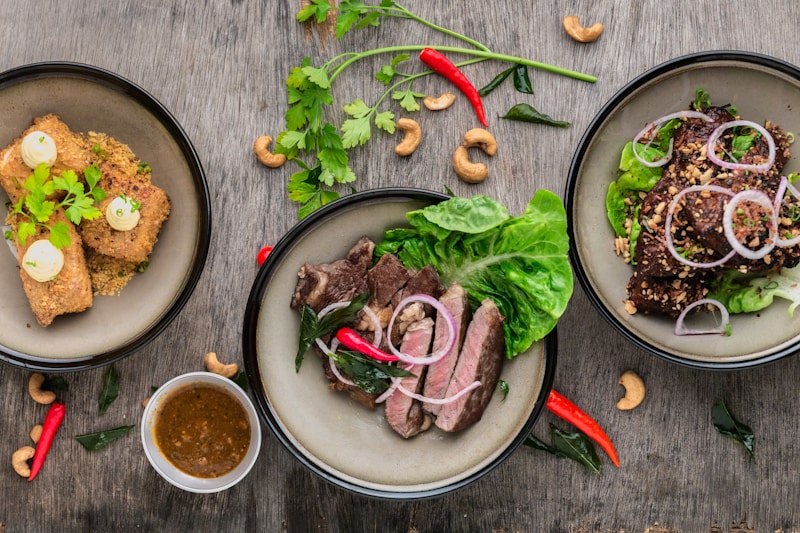
Your digestive system appreciates predictability. Try to eat around the same times each day—your gastrointestinal system may do best on a schedule. Regular meal timing helps regulate your circadian rhythms, which in turn influences your gut microbiome composition and function.
Erratic eating patterns, constant snacking, and late-night meals can disrupt the natural rhythms of your digestive system and the beneficial bacteria living there. Establishing consistent meal times helps your body anticipate food intake and prepare appropriate digestive secretions.
Additionally, eating mindfully makes a big difference. Chewing your food thoroughly and eating slowly may reduce digestive discomfort such as gas, pain and bloating. When you eat quickly, you swallow more air and don't give your digestive enzymes adequate time to begin breaking down food in your mouth—the critical first step of digestion.
Try eating three balanced meals at roughly the same times each day, with healthy snacks if needed. Avoid eating within two to three hours of bedtime to give your digestive system time to process your last meal before sleep.
9. Consider Probiotic Supplements Thoughtfully

While getting probiotics from fermented foods is ideal, supplements can be beneficial in certain situations. Talk with your doctor about taking probiotics, as they may ease constipation and irritable bowel syndrome symptoms.
However, not all probiotic supplements are created equal. The effectiveness of a probiotic depends on the specific strain, the dose, and whether the bacteria can survive the journey through your acidic stomach to reach your intestines alive. Different probiotic strains serve different purposes some may help with diarrhea, others with constipation, and still others with immune function.
When choosing a probiotic supplement, look for products that:
- Specify the bacterial strains and their CFU (colony-forming units) count
- Have been tested for purity and potency by third-party laboratories
- Are stored properly (some require refrigeration)
- Have clinical research supporting their specific health claims
It's worth noting that for most healthy individuals, consuming a variety of fermented foods provides sufficient probiotic benefits without supplementation. Supplements are most helpful for people with specific digestive conditions, those who have recently taken antibiotics, or individuals who cannot or will not eat fermented foods.
10. Use Antibiotics Judiciously

Antibiotics are lifesaving medications when truly needed, but they're a double-edged sword for gut health. Antibiotics can impact your microbiome, and these changes can last, so take antibiotics only when necessary and always as directed by your doctor.
When antibiotics kill harmful bacteria causing an infection, they also kill beneficial bacteria in your gut. This can lead to digestive symptoms like diarrhea, increase your risk of opportunistic infections like Clostridium difficile, and reduce the diversity of your gut microbiome for months or even years after treatment.
If you need to take antibiotics, here are some strategies to protect your gut health:
- Complete the full course as prescribed, even if you feel better
- Consider taking a probiotic supplement during and after antibiotic treatment (spaced several hours apart from the antibiotic dose)
- Eat plenty of fermented foods and fiber-rich foods to support beneficial bacteria recovery
- Avoid requesting antibiotics for viral infections, where they're ineffective
- Ask your doctor if the antibiotic is truly necessary or if other approaches might work
Remember that antibiotics are essential for treating serious bacterial infections. The goal isn't to avoid them when medically necessary, but to use them wisely and support gut recovery afterward.
Bringing It All Together: Your Gut Health Action Plan

Transforming your gut health doesn't require perfection or implementing all ten strategies simultaneously. In fact, trying to change everything at once often leads to overwhelm and abandonment of good intentions. Instead, choose one or two strategies that feel most manageable and start there.
Perhaps you begin by adding a serving of yogurt or sauerkraut to your daily routine while working on drinking more water. Once those habits feel natural, you might focus on gradually increasing your fiber intake and establishing more regular meal times. Over weeks and months, these small changes compound into significant improvements in how you feel.
Your gut microbiome is remarkably resilient and responsive. Research shows that dietary changes can begin shifting your microbial composition within just days, though more substantial, lasting changes typically take several weeks to months. The key is consistency rather than intensity.
Pay attention to how your body responds as you implement these strategies. You might notice improvements in digestion, more stable energy levels, better mood, clearer thinking, improved immunity, healthier skin, and even better sleep. These are all signs that your gut ecosystem is becoming healthier and more balanced.
When gut health is good, you're less likely to experience damaging inflammation and lapses in immunity. The benefits extend far beyond your digestive system to influence virtually every aspect of your health and wellbeing.
The Bigger Picture: Why Gut Health Matters
Understanding the importance of gut health can provide motivation when adopting new habits feels challenging. Your gut microbiome:
- Trains your immune system: The vast majority of your immune tissue resides in your gut, where it learns to distinguish friend from foe
- Produces vital nutrients: Gut bacteria manufacture vitamins like K and certain B vitamins
- Influences your mood: Your gut produces about 95% of your body's serotonin, the neurotransmitter crucial for mood regulation
- Affects your weight: The composition of your gut bacteria influences how you extract and store energy from food
- Impacts disease risk: An unhealthy gut microbiome is linked to increased risk of obesity, type 2 diabetes, heart disease, certain cancers, autoimmune conditions, and even neurodegenerative diseases
Research shows digestive health has vast influence on wellbeing, affecting immune system, brain function, body weight, and more. We're only beginning to understand the full scope of the gut's influence on health, but what we already know makes a compelling case for prioritizing digestive wellness.
Final Thoughts: Listen to Your Gut
Your gut communicates with you constantly through symptoms like bloating, pain, changes in bowel habits, and more. Rather than ignoring these signals or simply suppressing symptoms, view them as valuable feedback about what your body needs.
Some digestive symptoms are normal responses to occasional dietary indulgences or stressful periods. However, persistent or severe symptoms warrant medical attention. Conditions like irritable bowel syndrome, inflammatory bowel disease, celiac disease, and other digestive disorders require professional diagnosis and treatment.
The ten strategies outlined here provide a foundation for excellent gut health for most people. They're evidence-based, safe, and cost-effective ways to support your digestive system and overall wellbeing. Your gut will thank you for these simple but powerful habits, and you'll likely discover that a happier gut creates a happier, healthier you in every way.
Start today with just one small change. Your microbiome and your future self will be grateful you did.
Disclaimer: This article provides general information about gut health and is not intended to replace professional medical advice. If you have persistent digestive symptoms or diagnosed conditions, consult with a qualified healthcare provider for personalized guidance.
Comments
Post a Comment