5 Anti-Inflammatory Drinks to Improve Blood Sugar Control
Science-backed beverages that fight inflammation and support healthy glucose levels

The Connection Between Inflammation and Blood Sugar
If you've been struggling with blood sugar control, the answer might be more complex than just watching your carbohydrate intake. Recent research has revealed a powerful connection between chronic inflammation and glucose metabolism that many people overlook.
The association between hyperglycemia and inflammation in diabetes is now well established, according to research published in the American Diabetes Association's journal Diabetes Care. When your body experiences chronic inflammation, it can interfere with insulin signaling, making it harder for your cells to absorb glucose effectively.
The good news? What you drink can make a significant difference. Certain beverages contain powerful anti-inflammatory compounds that not only reduce inflammation but also help regulate blood sugar levels naturally. Let me share five drinks that have genuinely transformed how I manage my own blood sugar—and they're all backed by solid scientific research.
1. Green Tea: The Ancient Remedy with Modern Science
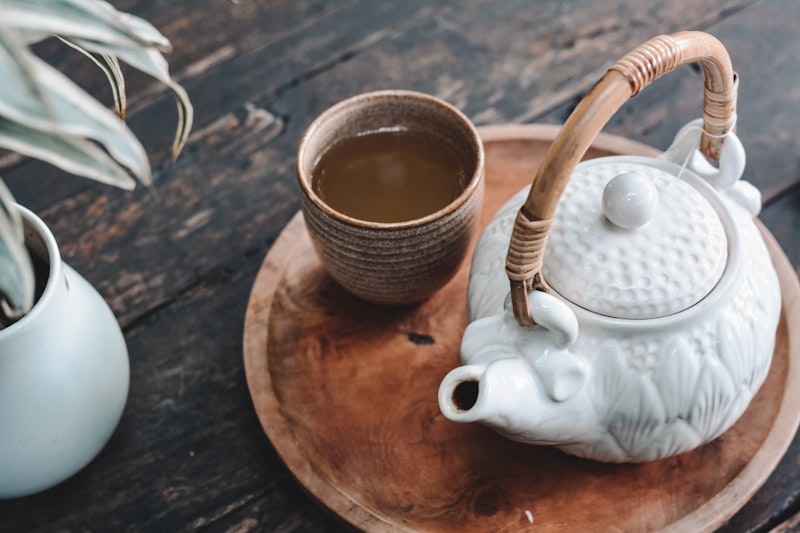
Green tea has been revered in Asian cultures for thousands of years, and modern science is finally catching up to what traditional medicine has known all along. This isn't just another wellness trend—the research behind green tea's blood sugar benefits is genuinely impressive.
The Science Behind Green Tea
A comprehensive meta-analysis of 17 randomized controlled trials found that green tea had favorable effects, specifically decreasing fasting glucose and HbA1c concentrations. Even more interesting, studies with high-quality research design showed that green tea significantly reduced fasting insulin concentrations.
The secret lies in compounds called catechins, particularly epigallocatechin gallate (EGCG). These powerful antioxidants work by improving insulin sensitivity and reducing inflammatory markers in the body.
How to Enjoy Green Tea
I've found that brewing green tea properly makes all the difference. Don't use boiling water—it becomes bitter and destroys some beneficial compounds. Instead, heat water to about 160-180°F (70-80°C) and steep for 2-3 minutes. I typically drink 2-3 cups daily, usually one in the morning and one after lunch.
Pro tip: If the taste is too strong for you, try adding a slice of fresh lemon. Not only does it enhance the flavor, but vitamin C also helps your body absorb the catechins more effectively.
2. Golden Milk (Turmeric Latte): The Anti-Inflammatory Powerhouse

Golden milk has become my evening ritual, and for good reason. This warm, comforting drink combines turmeric with milk and spices, creating a delicious beverage that's as therapeutic as it is tasty.
Why Turmeric Works
Turmeric contains curcumin, one of nature's most potent anti-inflammatory compounds. Research shows that curcumin can help reduce inflammatory markers associated with insulin resistance and type 2 diabetes. The chronic inflammation that interferes with proper glucose metabolism can be significantly reduced through regular turmeric consumption.
Making the Perfect Golden Milk
Here's my go-to recipe that I make almost every night:
- 1 cup unsweetened almond milk (or dairy milk if you prefer)
- 1 teaspoon turmeric powder
- 1/4 teaspoon cinnamon
- 1/4 teaspoon ginger powder
- A pinch of black pepper (crucial—it increases curcumin absorption by 2000%)
- Optional: a tiny drizzle of honey (less than 1 teaspoon)
Heat all ingredients together, whisking gently for 5 minutes. The black pepper is non-negotiable—without it, your body can't properly absorb the curcumin.
I was skeptical at first about the taste, but it's become something I genuinely look forward to. It's warm, slightly sweet, with an earthy complexity that's oddly comforting.
3. Black Coffee: More Than Just a Morning Pick-Me-Up

Before you scroll past thinking coffee can't possibly be healthy for blood sugar—hear me out. The research might surprise you.
The Coffee Paradox Explained
Here's something interesting I learned: while coffee temporarily raises blood sugar right after you drink it, regular coffee consumption is actually associated with a lower risk of type 2 diabetes. Multiple large-scale studies have found that people who drink 3-4 cups of coffee daily have a significantly reduced risk of developing diabetes compared to non-coffee drinkers.
The key lies in coffee's rich antioxidant content and its anti-inflammatory properties. Coffee contains chlorogenic acid, which helps slow glucose absorption in the intestines and reduces inflammation throughout the body.
The Right Way to Drink Coffee
This is critical: we're talking about black coffee or coffee with a small amount of unsweetened milk. Once you start adding sugar, flavored syrups, or sugary creamers, you've completely negated the benefits.
I used to load my coffee with sweeteners, but I gradually reduced the amount over two weeks. Now, I genuinely enjoy the rich, complex flavors of black coffee. If you find it too bitter, try cold brew—it's naturally smoother and less acidic.
Important note: If you have anxiety or sleep issues, limit coffee to morning hours and don't exceed 3-4 cups daily.
4. Vegetable Juice: Liquid Nutrition Without the Sugar Spike
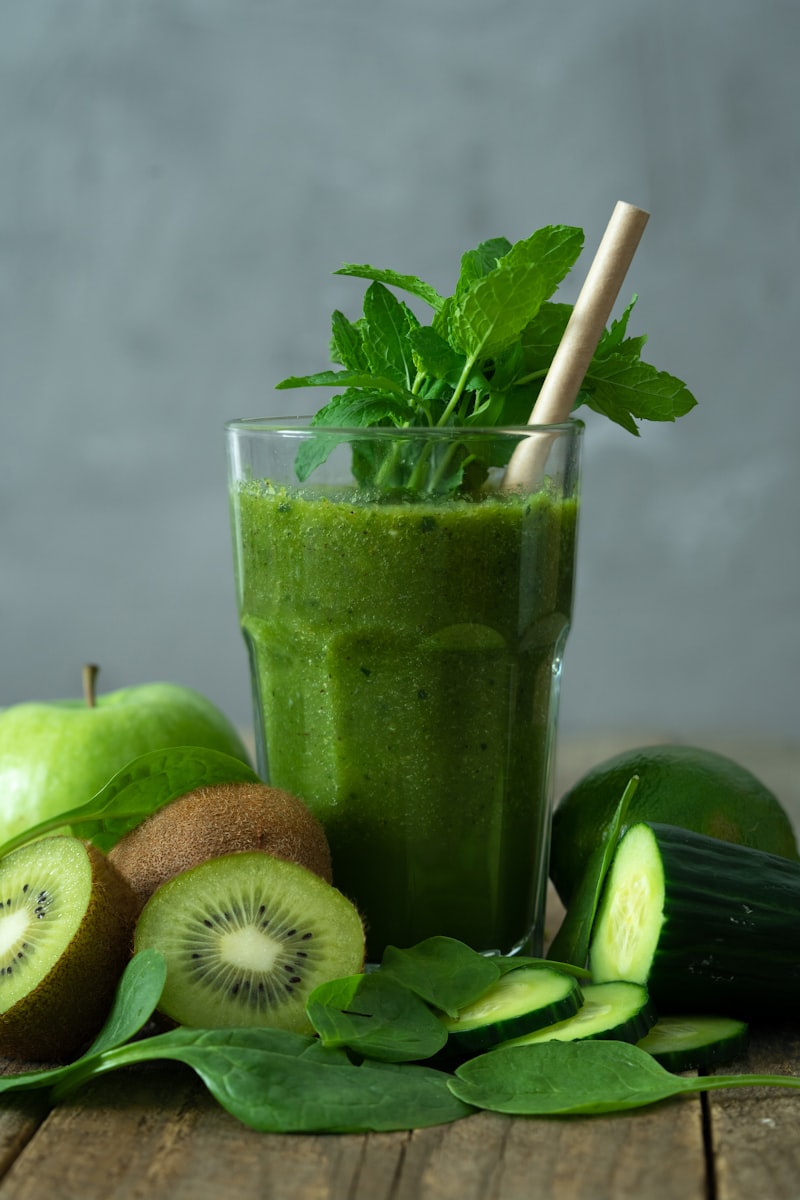
When I say vegetable juice, I'm not talking about the fruit-heavy smoothies loaded with natural sugars. I'm talking about real, 100% vegetable juice that delivers nutrients without spiking your blood sugar.
Why Vegetable Juice Works
Dietitians recommend 100% veggie juice as an anti-inflammatory drink that helps manage blood sugar because it's packed with vitamins, minerals, and antioxidants while being low in sugar and carbohydrates.
Vegetables like spinach, kale, cucumber, celery, and tomatoes are rich in anti-inflammatory compounds and have minimal impact on blood glucose levels. They're also high in fiber (especially if you include some of the pulp), which further helps stabilize blood sugar.
My Favorite Combination
I make fresh vegetable juice 3-4 times per week. My favorite recipe:
- 2 cups spinach
- 1 cucumber
- 2 celery stalks
- 1 small tomato
- 1/2 lemon (for brightness)
- A small piece of ginger (adds a spicy kick and anti-inflammatory benefits)
If you don't have a juicer, a high-powered blender works too—just blend everything and strain if you prefer a smoother texture.
The taste takes some getting used to if you're accustomed to sweet juices, but after a week, I found myself craving the fresh, clean flavor. Plus, the energy boost is real—without the crash that comes from sugary drinks.
5. Cinnamon Tea: The Underrated Blood Sugar Regulator

Cinnamon is often overlooked, but it's one of the most researched spices for blood sugar control. And the best part? It's incredibly easy to incorporate into your daily routine through a simple tea.
The Science of Cinnamon
Cinnamon has been shown to improve insulin sensitivity and lower fasting blood sugar levels. It contains compounds that mimic insulin and help glucose enter cells more efficiently. Several studies have found that consuming just 1-2 teaspoons of cinnamon daily can lead to significant improvements in blood sugar control.
Beyond blood sugar, cinnamon is a powerful anti-inflammatory agent. It contains antioxidants called polyphenols that reduce oxidative stress and inflammatory markers throughout the body.
How I Make Cinnamon Tea
The simplest way is to boil water with a cinnamon stick for about 10 minutes. You can drink it as is, or add it to other teas for extra flavor and benefits.
I often add a cinnamon stick to my green tea, combining the benefits of both. Sometimes I'll make a larger batch and keep it in the fridge for iced cinnamon tea—refreshing and therapeutic.
Important tip: Use Ceylon cinnamon ("true cinnamon") rather than Cassia cinnamon if you're drinking it daily. Cassia contains higher levels of coumarin, which can be problematic in large amounts. Ceylon is safer for regular consumption.
Putting It All Together: A Daily Routine
You don't need to drink all five of these beverages every single day. Instead, I rotate them based on what my body needs and what sounds appealing. Here's what a typical week looks like for me:
Morning: Green tea or black coffee Afternoon: Another cup of green tea or vegetable juice Evening: Golden milk with cinnamon
On weekends, I'll make a larger batch of vegetable juice and experiment with different combinations. The key is consistency rather than perfection.
What the Research Really Says
While an anti-inflammatory diet alone isn't a magic bullet for preventing diabetes, it can have strong anti-inflammatory effects when combined with weight loss and increased physical activity, according to recent research published in BMC Medicine.
The takeaway? These drinks work best as part of a holistic approach that includes:
- A balanced diet rich in whole foods
- Regular physical activity
- Adequate sleep
- Stress management
- Proper hydration
Think of these beverages as powerful allies in your blood sugar management toolkit, not as standalone solutions.
A Few Important Considerations
Medication interactions: If you're taking diabetes medication, talk to your healthcare provider before making significant changes to your diet. Some of these drinks can enhance the effects of blood sugar medications.
Quality matters: Choose organic ingredients when possible, especially for tea and coffee, to minimize pesticide exposure.
Listen to your body: Everyone responds differently. What works wonderfully for me might need adjustment for you. Pay attention to how your body responds and adjust accordingly.
Monitor your levels: If you have diabetes or prediabetes, track your blood sugar levels to see how these beverages affect you personally.
Final Thoughts
Managing blood sugar isn't just about what you eat—what you drink plays a crucial role too. These five anti-inflammatory beverages have made a genuine difference in how I feel daily. My energy is more stable, I experience fewer cravings, and my blood sugar readings have improved noticeably.
The beauty of these drinks is their simplicity. You don't need expensive supplements or complicated preparations. Just simple, whole ingredients that have been used for centuries and are now validated by modern science.
Start with one drink that appeals to you most. Maybe it's the comforting warmth of golden milk or the energizing clarity of green tea. Give it a few weeks and notice the difference. Then gradually add another beverage to your routine.
Remember, consistency beats intensity every time. Small, sustainable changes compound into significant results over time. Here's to better health, one sip at a time.
References & Sources
Key Research Studies:
- American Diabetes Association - Diabetes Care Journal: Anti-inflammatory Agents in Diabetes Treatment
- The American Journal of Clinical Nutrition: Meta-analysis on Green Tea and Glucose Control
- BMC Medicine: Low-Inflammatory Diet and Diabetes Risk
- National Center for Biotechnology Information (NCBI): Anti-inflammatory Phytochemicals for Diabetes
- PubMed: Green Tea Effects on Insulin Sensitivity
- Nutrition & Metabolism: Systematic Review of Green Tea and Glycemic Control
SEO Keywords: anti-inflammatory drinks, blood sugar control, diabetes management, natural remedies for diabetes, green tea benefits, turmeric for diabetes, cinnamon and blood sugar, vegetable juice benefits, coffee and diabetes, inflammation and glucose, insulin sensitivity, prediabetes prevention, natural diabetes treatment, healthy beverages, glycemic control, anti-inflammatory diet, blood glucose regulation, metabolic health
Comments
Post a Comment